Source Temporary Tattoo Stickers for Body Art, Events, and Parties
Compare 30 listings of temporary tattoo stickers from Guangdong suppliers. Buyers can review sizes, materials, and MOQs for body art, events, and parties. Explore non-toxic options, custom designs, and various printing methods like offset or screen printing to find the best fit for your needs.
Key considerations
Products List





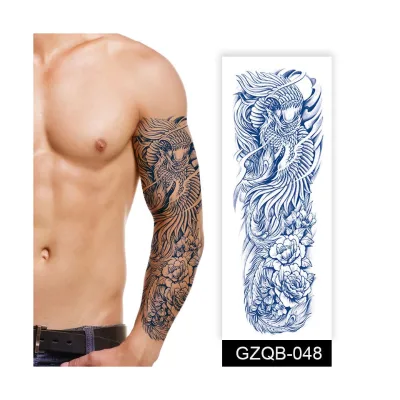
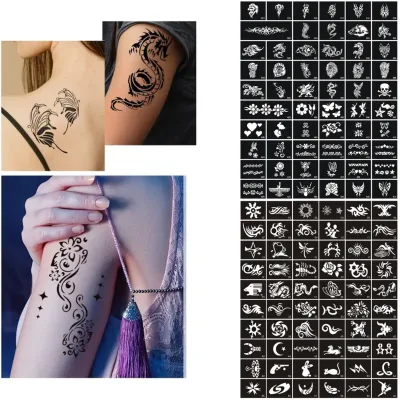

Comprehensive Sourcing Guide
Temporary Tattoo Stickers Sourcing Guide
Sourcing temporary tattoo stickers requires a clear understanding of the diverse product landscape available from manufacturers, particularly those concentrated in regions like Guangdong, China. Buyers must distinguish between standard stock designs and fully customized options, as this choice significantly impacts lead times and minimum order quantities. The market offers a wide array of styles, ranging from floral and fashionable motifs to more provocative or novelty designs, catering to various demographic segments and event types. Understanding these variations is the first step in aligning procurement with specific brand identity or retail requirements.
Procurement decisions are further complicated by the variety of technical specifications and material compositions found across different supplier listings. While many products claim to be non-toxic and waterproof, the actual performance and safety depend heavily on the printing process and ink quality used. Buyers need to evaluate whether the supplier offers offset printing, screen printing, or CMYK processes, as these methods affect color fidelity and durability. Additionally, the physical dimensions and packaging formats vary, requiring careful attention to single package sizes and gross weights to ensure efficient logistics and shelf presentation.
Product Scope and Observed Listing Signals
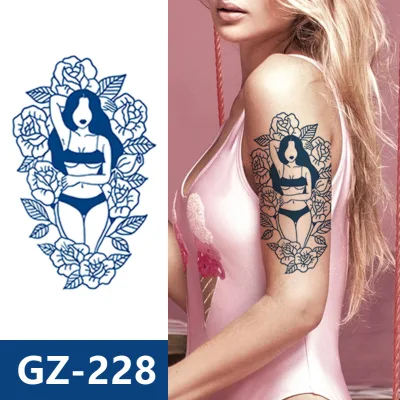
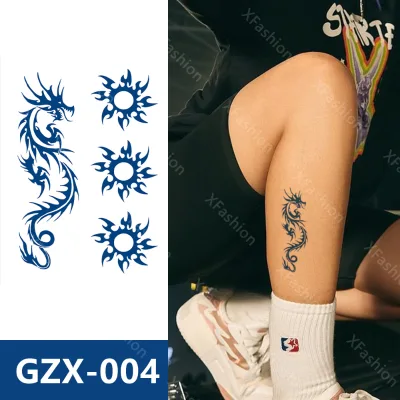
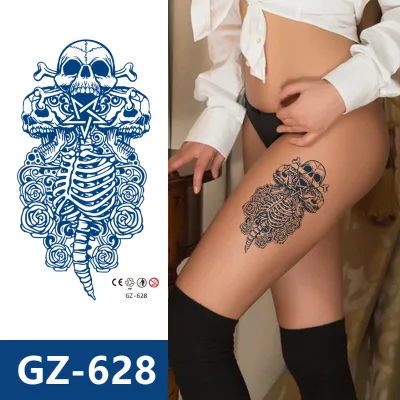
The observed product range includes several distinct categories of temporary tattoos, each with unique characteristics and target applications. Standard tattoo stickers often feature customized printing and are available in various sizes, such as 110x180mm or 80x110mm, with model numbers like GZ 101-200 or GZX 001-100 indicating specific design series. These products are typically packaged in OPP bags and weigh between 5g and 8g per unit. The color options are extensive, with hundreds of SKUs available for each model series, allowing buyers to select from a broad palette of pre-designed patterns without incurring high customization costs.
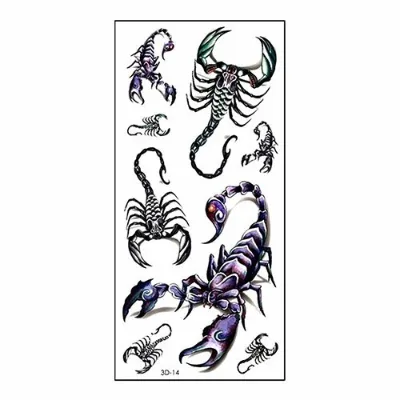
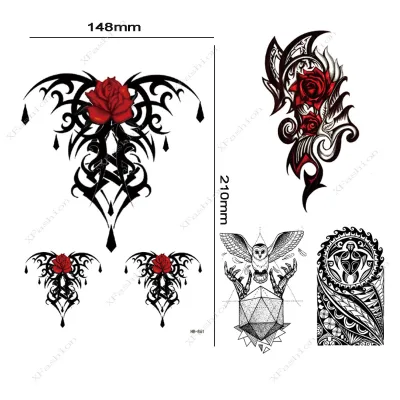
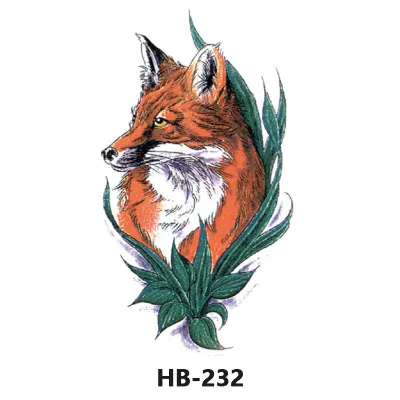
Another significant segment includes 3D tattoo stickers and waterproof variants, which often command different pricing and MOQ structures. For instance, 3D tattoos may have a model number like 3D-TL and come in larger sizes such as 90x190mm, weighing approximately 9g. Waterproof options, identified by model numbers like HB 600-699, emphasize features such as water-proof temporary application and non-toxic materials, with sizes up to 148x210mm. These products often support both in-stock and customized designs, with MOQs as low as 20 pieces for certain styles, providing flexibility for small-batch testing or niche market entries.
Technical Specifications to Verify
Verifying technical specifications is critical to ensuring the product meets functional expectations, particularly regarding size, weight, and printing quality. Buyers should confirm the exact dimensions of the tattoo sheet, as variations like 11x18x0.1 cm versus 21x15x0.1 cm affect both the visual impact and the packaging volume. The weight of individual units, ranging from 5g to 10g, also influences shipping costs and inventory management. It is essential to match the specified single gross weight with the supplier’s actual packing list to avoid discrepancies in freight calculations and storage requirements.
Printing technology and color accuracy are equally important technical factors that determine the final product’s appeal. Suppliers may use CMYK printing, offset printing, or screen printing, each offering different levels of detail and color vibrancy. Buyers must verify if the supplier supports PMS color matching for brand-specific requirements or if they rely on standard CMYK processes. Additionally, the durability of the print, especially for waterproof claims, should be assessed through sample testing. Ensuring that the ink adheres properly to the skin and resists smudging during wear is a key technical validation step before placing large orders.
Compliance and Safety Documentation
Safety compliance is paramount when sourcing temporary tattoos, as these products come into direct contact with the skin. Buyers must request documentation confirming that the materials used are non-toxic and safe for human application. While some listings mention CE certification, this should be treated as a background signal rather than a guaranteed status. It is crucial to verify that the inks and adhesives comply with relevant regional safety standards, such as those in the EU or US, to avoid regulatory issues upon import.
Documentation should also include material safety data sheets (MSDS) or similar reports that detail the chemical composition of the tattoo inks and backing materials. Buyers should inquire about specific tests conducted for skin irritation, allergenicity, and toxicity. Even if a supplier claims their products are non-toxic, independent lab test results provide stronger assurance. Ensuring that the supplier can provide up-to-date compliance certificates for each batch or design series helps mitigate liability risks and ensures that the products meet the legal requirements of the target market.
Cost Drivers and Commercial Terms
Cost structures for temporary tattoo stickers are influenced by several factors, including customization, MOQ, and printing complexity. Standard stock designs typically have lower MOQs, sometimes as low as 20 pieces, making them accessible for small buyers or rapid prototyping. However, customized designs often require higher MOQs, such as 100 pieces, and may involve additional setup costs for plate creation or digital file preparation. The lead time for custom orders is generally longer, often cited as 3-5 days, which buyers must factor into their inventory planning.
Pricing ranges observed in the market vary significantly, from as low as $0.01 to over $11.70 per unit, depending on the product type and order volume. Higher-priced items may include 3D effects or premium waterproof features, while basic stickers are more cost-effective. Buyers should negotiate based on volume tiers and consider the total landed cost, including shipping and duties. Understanding the relationship between MOQ, unit price, and lead time allows for more accurate budgeting and helps in selecting the most commercially viable option for their specific business model.
Supplier Qualification and Quality Control
Qualifying suppliers involves assessing their manufacturing capabilities, quality control processes, and reliability. Buyers should verify the supplier’s location, with many manufacturers based in Guangdong, China, a hub for such production. It is important to confirm that the supplier has experience in producing temporary tattoos and can handle both standard and custom orders efficiently. Requesting references or case studies from previous clients can provide insights into their consistency and customer service levels.
Quality control measures should be clearly defined, including pre-production sample approvals and in-line inspections. Buyers should establish clear acceptance criteria for print quality, adhesion, and packaging integrity. Implementing a robust QC plan, such as third-party inspections before shipment, helps ensure that the delivered products meet the agreed-upon standards. Regular communication with the supplier regarding any changes in design or material can also prevent misunderstandings and ensure that the final product aligns with the buyer’s expectations.
Long-Term Procurement Checks
Long-term procurement success depends on continuous monitoring of supplier performance and market trends. Buyers should regularly review supplier delivery times, product quality, and responsiveness to issues. Establishing a performance scorecard that tracks key metrics like on-time delivery rate and defect rate helps in making informed decisions about future orders. Maintaining a diversified supplier base can also mitigate risks associated with supply chain disruptions or quality inconsistencies.
Staying updated on regulatory changes and consumer preferences is essential for maintaining product relevance. As safety standards evolve, buyers must ensure that their suppliers remain compliant with new requirements. Additionally, monitoring trends in design and technology, such as new printing techniques or eco-friendly materials, can provide competitive advantages. Regularly engaging with suppliers to discuss innovation and improvement opportunities fosters a collaborative relationship that supports long-term growth and product excellence in the temporary tattoo market.
FAQs
What are the available sizes for temporary tattoo stickers?
Temporary tattoo stickers come in various dimensions to suit different body art needs. Common specifications include 110 by 180 millimeters and 80 by 110 millimeters. Larger options like 90 by 190 millimeters and 148 by 210 millimeters are also available. Buyers can select the size that best fits their design requirements and application area.
Can these tattoo stickers be customized with specific designs?
Yes, customized designs are supported for temporary tattoo stickers. The printing process allows for CMYK, PMS, and offset printing methods. Buyers can request specific artwork or mix designs from available stock. Custom orders typically have a lead time of three to five days, ensuring tailored solutions for unique branding or personal preferences.
What is the minimum order quantity for these products?
The minimum order quantity varies by product type. Some items require a minimum of fifty pieces, while others start at twenty pieces. Standard options may have a minimum of one hundred pieces. Buyers should check specific model numbers to confirm the exact MOQ, as requirements differ across the product range and customization options.
Are the materials used in these tattoos safe for skin?
The materials used are described as non-toxic and safe for body art. The products are labeled as water-proof and temporary, ensuring easy removal. Buyers can trust that the inks and backing materials meet basic safety standards for skin contact. This makes them suitable for various applications, including arms and general body decoration.
Where are these temporary tattoo stickers manufactured?
These temporary tattoo stickers are manufactured in Guangdong, China. The production facilities are located in this region, which is known for its manufacturing capabilities. Buyers sourcing from this location can expect consistent production quality and established supply chains. The origin is clearly stated for transparency in the sourcing process.
How are the tattoo stickers packaged for shipping?
The tattoo stickers are packaged in OPP bags for individual protection. Each package has specific dimensions, such as 11 by 18 by 0.1 centimeters for smaller sizes. The single gross weight is typically around five to ten grams per item. This packaging ensures the products remain clean and undamaged during transit and storage.